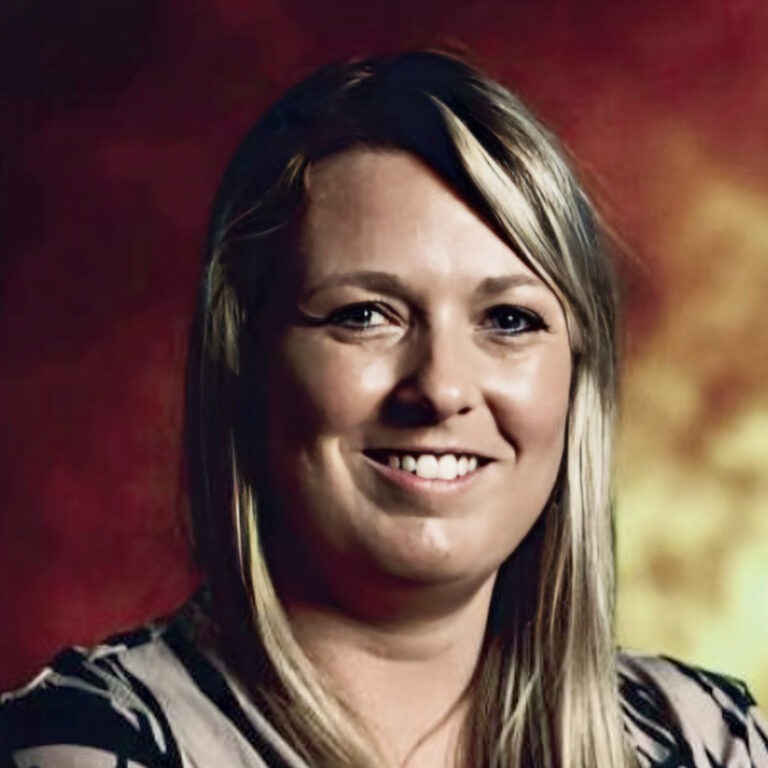
Biography
Kate Pattle is a Royal Society University Research Fellow at University College London. She gained her undergraduate degree at Oxford and her PhD at the University of Central Lancashire, and undertook postdoctoral work in Japan, Taiwan and Ireland before moving to UCL in 2021. Her research focusses on the role of magnetic fields in the star formation process.
Synopsis
Interstellar magnetic fields: From star formation to galaxy evolution
It has long been known that the interstellar medium of our own Milky Way and other galaxies is threaded by complex magnetic fields on all size scales, but we are only now beginning to understand the role that they play in the evolution of the interstellar medium and the formation of new stars. In this talk I will discuss the insights which we are gaining into the star formation process and the evolution of the magnetized interstellar medium, on size scales ranging from nearby star-forming regions to starburst galaxies, from recent observations made with the James Clerk Maxwell Telescope (JCMT) and the Atacama Large Millimeter/submillimeter Array (ALMA). I will also discuss the exciting advances that are expected in the next few years as new instruments, particularly the Square Kilometre Array (SKA), come online.